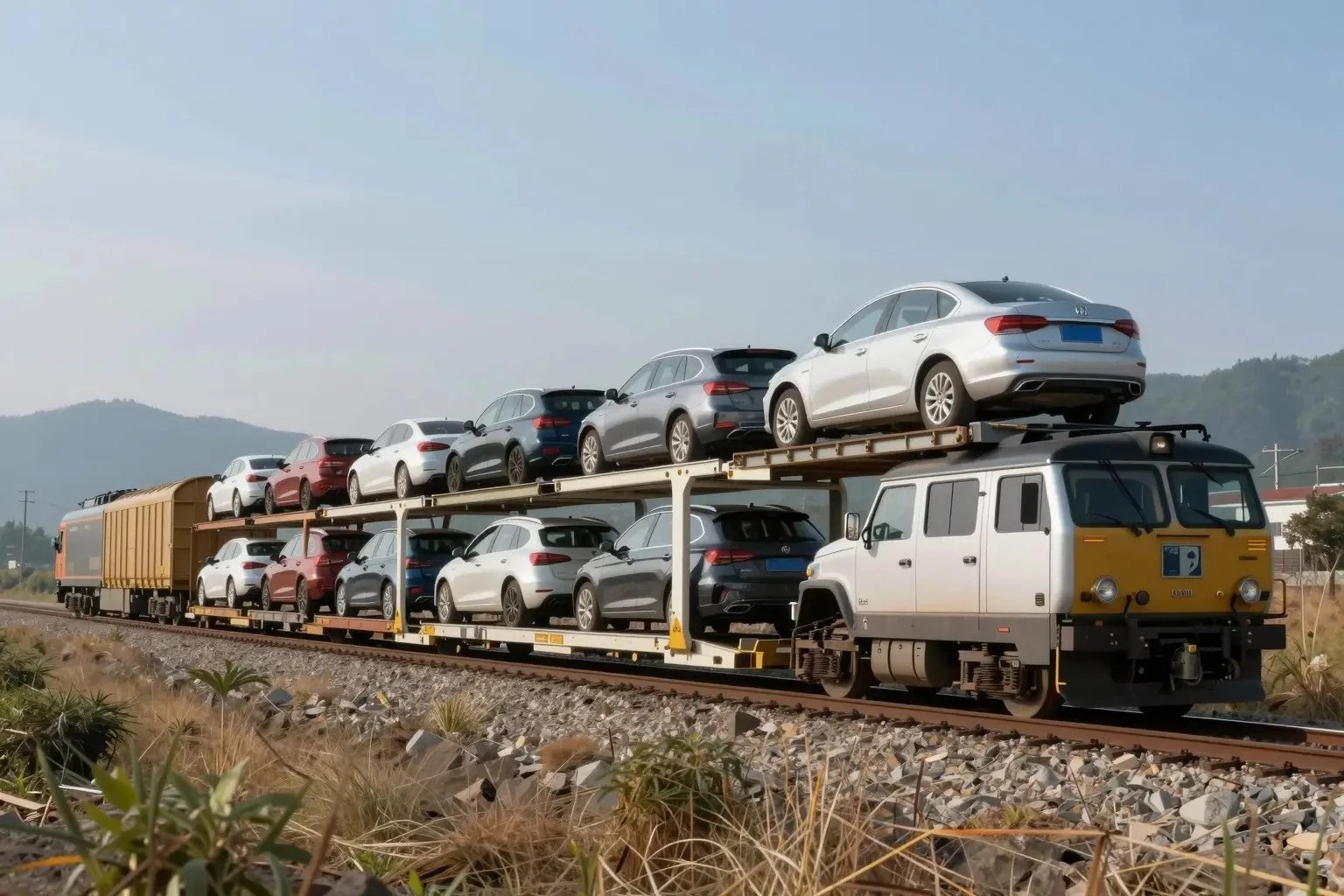
Transporting vehicles across long distances can often present logistical challenges․ For individuals and businesses alike, finding the most efficient and cost-effective method of vehicle transport is crucial․ One question frequently asked is, “Can you ship a car on a train?” The simple answer is yes, you can․ Rail shipping offers a reliable and efficient solution for car transportation․
Understanding Rail Shipping for Car Transportation
Rail shipping, also known as train freight, involves the use of freight trains to transport goods, including vehicles, from one location to another․ This method has been a cornerstone of auto logistics for decades, providing a safe and economical way to move cars over long distances․ The rail network spans across countries, connecting cities and facilitating vehicle delivery to various destinations․
Advantages of Using Rail Transit for Vehicle Transport
- Cost-Effective: One of the primary benefits of using rail transit for car shipping is the potential cost savings․ Compared to other modes of transportation, rail can be more economical, especially for long-distance shipments․ Shipping costs are often lower on a per-mile basis when using trains․
- Environmental Impact: Trains are generally more fuel-efficient than trucks, leading to a smaller carbon footprint; This makes rail shipping an environmentally friendly option for automobile shipment․
- Large Capacity: Freight trains can carry a significant number of vehicles at once, which is advantageous for auto manufacturers and distributors who need to transport multiple cars․
- Safety: Trains are less prone to accidents compared to road transport, reducing the risk of damage to vehicles during transit․
How Car Transportation on Rail Works
Shipping a car via train involves several steps to ensure safe and timely delivery:
- Booking the Service: The first step in car transportation via rail is to book a transport service with a company that offers cargo service for vehicles․ This can usually be done online or through a logistics provider․
- Preparation: Before loading, vehicles may need to be prepared by removing personal items and ensuring they are in proper working condition․
- Loading: Cars are loaded onto railcars specifically designed for vehicle transport․ These railcars are equipped to securely hold vehicles in place during transit․
- Transit: Once loaded, the freight train begins its journey along the rail network to the designated destination․ The train follows a predetermined schedule, ensuring timely delivery․
- Unloading and Delivery: Upon arrival, vehicles are carefully unloaded from the railcars and made ready for pickup or delivery to the final destination․
Choosing the Right Transportation Options
When considering transportation options for vehicle delivery, it’s essential to weigh the pros and cons of each method․ Rail shipping is ideal for those who prioritize cost savings, environmental considerations, and safety․ However, it may not be the fastest option compared to air transport or expedited road transport․
For businesses, partnering with a reputable auto logistics company that specializes in rail shipping can streamline the process․ These companies often have established relationships with freight train operators and can handle the logistics from start to finish․
Factors Affecting Shipping Costs
The shipping costs for transporting a car via train can vary based on several factors:
- Distance: The longer the distance, the higher the cost․ However, rail shipping remains cost-effective for long hauls;
- Vehicle Size and Weight: Larger and heavier vehicles may incur higher shipping fees due to space and weight considerations․
- Route and Demand: Popular routes with high demand may have different pricing compared to less-traveled paths;
- Service Level: Expedited services or additional handling requests can increase the overall cost․