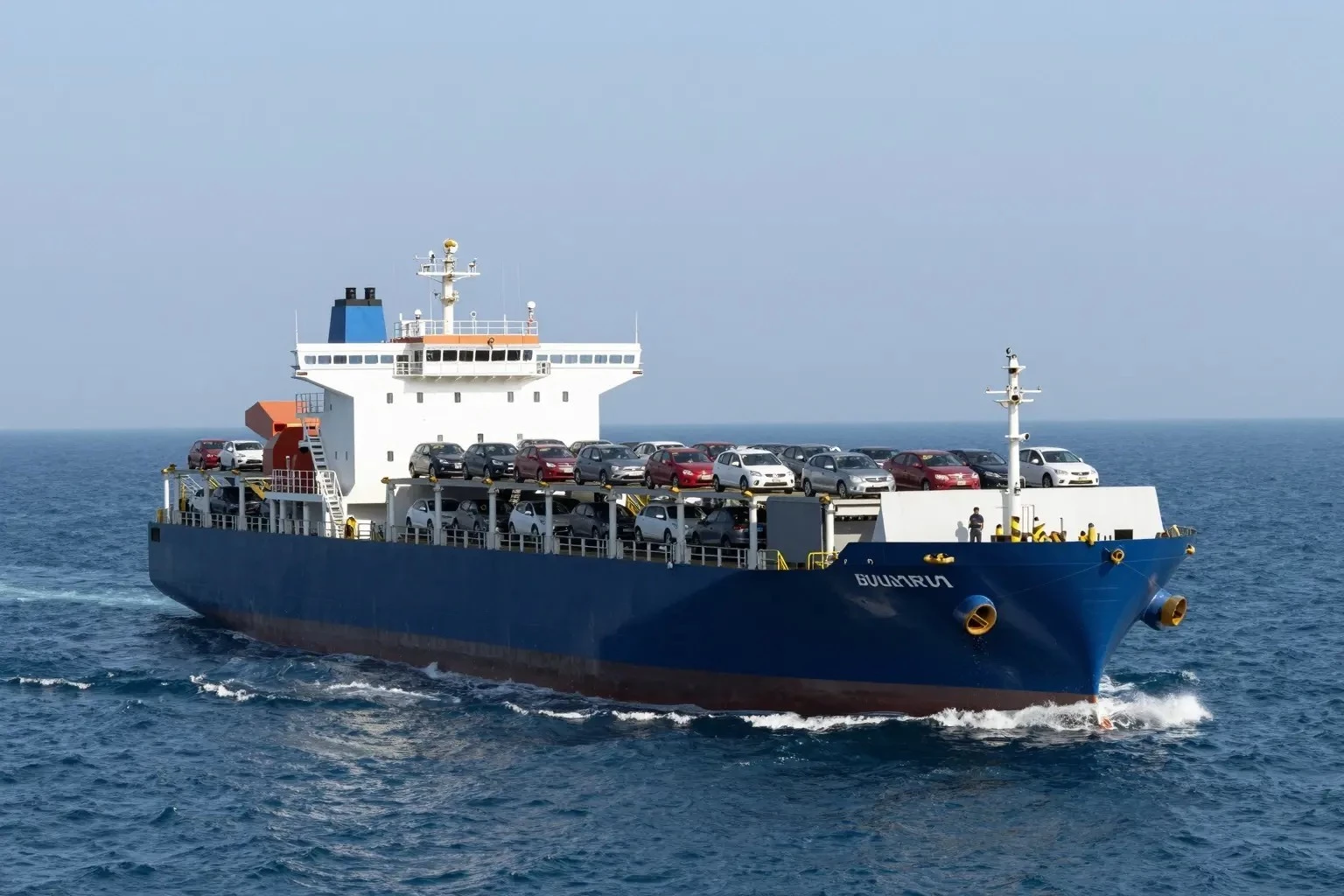
Shipping a financed car overseas involves a complex interplay of legal, financial, and logistical considerations. If you’re contemplating such a move, it’s crucial to understand the requirements and steps involved to ensure a smooth transition. This article will guide you through the process, addressing key aspects such as lender permission, export regulations, and compliance with international transport laws.
Understanding the Basics: Financed Cars and Lender Permission
A financed car is essentially a vehicle purchased with a loan. The lender holds a lien on the car, meaning they have a legal right to it until the loan is fully paid off. This makes shipping a financed car overseas more complex than shipping a vehicle you fully own.
The Importance of Lender Permission
Before you can even consider international transport, you must obtain lender permission. The lender’s permission is crucial because the car serves as collateral for the loan. Most lenders are reluctant to allow the car to be taken out of the country due to the increased risk of recovering the vehicle in case of default.
Navigating Export Regulations and Compliance
Once you have lender permission, you must comply with export regulations set by both your home country and the destination country. These regulations are designed to prevent illegal activities such as car theft and ensure the legal transfer of goods across borders.
Documentation and Legal Requirements
The documentation required for shipping a financed car overseas typically includes:
- The vehicle’s title and registration.
- A notarized letter from the lienholder granting permission for the vehicle to be shipped overseas.
- A copy of the financial agreement or vehicle loan terms.
Additionally, you must ensure that the car complies with the legal requirements of the destination country, which may include specific emissions standards or safety regulations.
Selecting a Shipping Company and Understanding Transport Options
Choosing the right shipping company is critical for the safe and efficient transport of your car. Professional car exporters offer various transport options, including container shipping and roll-on/roll-off (RoRo) services.
Container Shipping vs. Roll-On/Roll-Off
- Container Shipping: This option provides additional protection as your car is shipped in a sealed container. It is often more expensive but ideal for high-value vehicles.
- Roll-On/Roll-Off (RoRo): A cost-effective method where the car is driven onto a specialized ship. It’s suitable for standard vehicles and offers quicker processing times.
Insurance, Logistics, and Customs Clearance
Before shipping, you must arrange for insurance to cover potential losses or damages during transport. Comprehensive insurance is recommended to cover all risks.
Efficient logistics planning is essential to ensure timely delivery. The shipping company should handle most logistics, but it’s important to stay informed and involved in the process.
Customs Clearance
Customs clearance is a critical step in the shipping process. Ensure all necessary paperwork is accurately filled out and submitted. Delays in customs can lead to additional storage fees or complications in the delivery timeline.
Shipping a financed car overseas is a feasible endeavor if you carefully navigate the various hurdles involved. Begin by securing lender permission, understand and comply with export regulations, and select a reputable shipping company to manage the transport. By doing so, you can effectively manage the complexities of international car shipping and ensure compliance with all legal requirements.
Ultimately, the decision to ship a financed car overseas should be carefully considered with a clear understanding of all associated responsibilities and risks. Consult with your lender, a professional car exporter, and legal experts to make an informed decision.