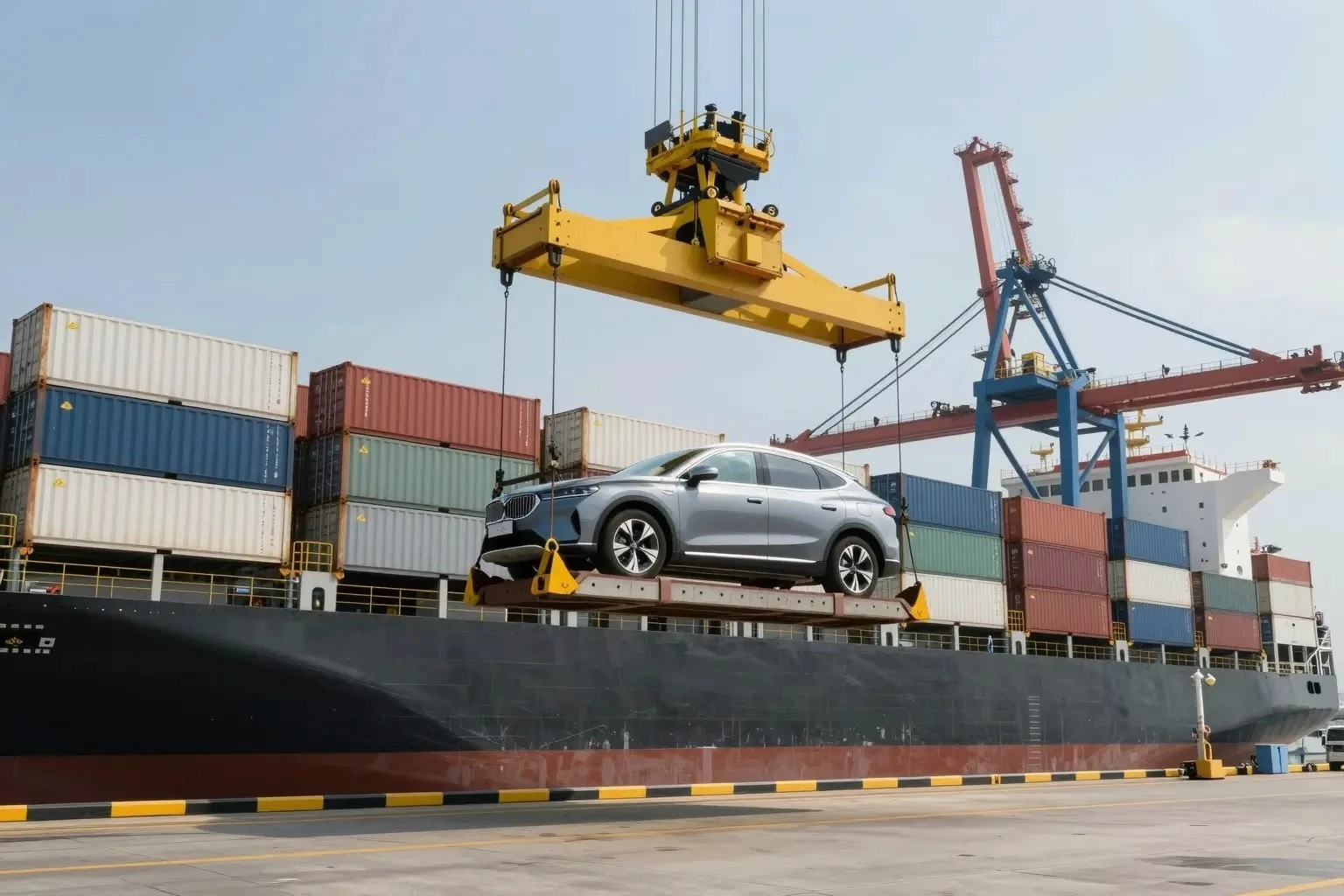
Shipping a car internationally can seem like a daunting task‚ but with the right knowledge and preparation‚ it can be a straightforward process. Whether you’re relocating‚ selling a vehicle abroad‚ or just want to take your car with you for an extended stay‚ understanding the intricacies of car shipping can help you make informed decisions.
Understanding International Transport for Vehicles
The process of international transport involves moving a vehicle from one country to another. This typically involves several steps‚ including understanding customs regulations‚ selecting a reliable logistics company‚ and choosing the right shipping methods.
Choosing the Right Shipping Method
When it comes to international vehicle export‚ there are several methods to consider:
- Roll-on/Roll-off Service: This is a cost-effective option where your car is driven onto a specialized ship and secured for transport. Ideal for those looking to minimize shipping costs.
- Shipping Container: Offers more protection as vehicles are loaded into containers. This method is suitable for high-value vehicles and personal belongings.
- Air Freight: The quickest way to ship a car internationally‚ though it’s significantly more expensive than maritime options.
Each method has its own advantages and disadvantages‚ and the choice largely depends on your budget‚ the value of the car‚ and the speed at which you need it delivered.
Logistics and Documentation
Partnering with an experienced auto transport company is crucial. They can guide you through the myriad of documentation requirements needed for successful shipping. This includes the vehicle’s title‚ bill of sale‚ and any import/export permits required by the destination country.
Customs Regulations and Compliance
Customs regulations vary between countries‚ and it’s important to understand them to avoid delays. Export compliance entails ensuring all necessary papers are in order and that the vehicle meets the import duties and standards of the destination country. A good logistics company will assist in the customs clearance process‚ ensuring all procedures are adhered to.
Factors Affecting Shipping Costs
The cost of shipping a car internationally depends on several factors:
- Distance and Route: The further and more complex the route‚ the higher the cost.
- Shipping Method: As mentioned‚ air freight is more expensive than maritime transport.
- Vehicle Size and Weight: Larger and heavier vehicles will incur higher fees.
- Transport Insurance: It’s advisable to insure your vehicle during transit‚ adding to the overall expense.
- Port of Entry: Some ports may have higher handling fees than others.
Obtaining quotes from different freight services will give you a clearer picture of anticipated expenses.
Transit Time Considerations
Transit time can vary significantly depending on the shipping method chosen. Air freight can take a few days‚ while maritime transport might take several weeks. Planning ahead and selecting the appropriate service can help align the delivery time with your schedule.
Insurance and Safety
Ensuring your vehicle is covered by adequate transport insurance during the journey is crucial. Insurance protects against loss or damage while the car is in transit. Most logistics companies offer basic coverage‚ but additional insurance can be purchased for added peace of mind.
Choosing the Right Auto Transport Company
Investigate and compare auto transport companies to find one with a reliable track record. Look for reviews and testimonials‚ and confirm they have experience with international relocations and understand the specific requirements of your destination country.
Getting your car shipped to another country is a feasible task with the right planning and resources. Understanding maritime transport options‚ complying with customs regulations‚ and selecting a reputable logistics company are key to a smooth process. Whether opting for roll-on/roll-off service‚ a shipping container‚ or air freight‚ ensure all documentation requirements are met‚ and consider the costs‚ insurance‚ and transit times involved.
By taking these factors into account‚ you can successfully manage the complexities of global shipping and ensure your vehicle arrives safely at its new home.